
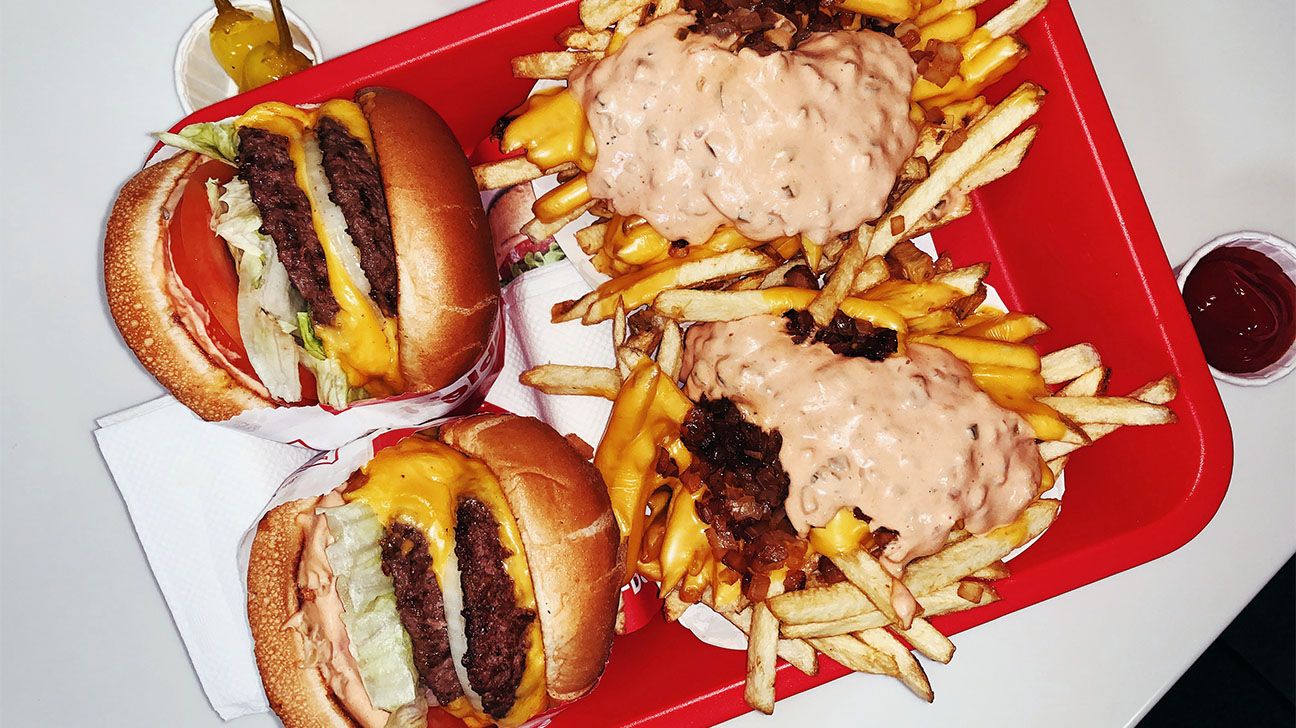
- One new study found that ultraprocessed foods (UPFs) could be just as habit-forming as tobacco products.
- The study authors observed that UPFs are designed to maximize reward and speed up the delivery of reinforcing components.
- The “addictive” quality of such products implies they fuel uncontrollable eating and hinder appetite regulation.
- The researchers recommend that ultraprocessed foods should be subject to policies comparable to those for cigarettes.
At present, there is no one standardized definition of UPFs. Many classify them as products that include ingredients you are unlikely to have in a domestic pantry, like emulsifiers and additives.
Many professionals rely on the NOVA system to classify UPFs. This refers to products that contain “combinations of ingredients, mostly of exclusive industrial use, usually created by a range of factory processes and methods.”
A recent analysis published in The Millbank Quarterly proposed that ultraprocessed foods may be as addictive as tobacco products.
“I concur with this research, as UPFs are specifically engineered to be highly appealing to most individuals,” noted a bariatric surgeon who was not involved in the research.
A study from 2023 estimates that more than 73% of the food supply in the United States are ultraprocessed.
“Tobacco and UPFs are not just whole foods but carefully designed delivery systems designed specifically to increase biological and psychological reinforcement and compulsive consumption,” explained the new study’s authors.
Can Ultraprocessed Foods Addictive?
The review synthesized insights from addiction, public health history, and dietary science to highlight textural and compositional features that boost the addictive quality of both cigarettes and ultraprocessed foods.
“Not everyone is ‘hooked’ to such products, but for a significant portion, they trigger typical habit-forming patterns: strong cravings, loss of control, and persistent consumption even with harmful consequences,” explained a preventive cardiology dietitian.
“These products are purposely formulated with processed carbohydrates, added fats, sodium, and flavor enhancers to maximize reward and repeat consumption, and the food sector uses persuasive advertising strategies, particularly targeting children,” she added.
Scientists analyzed five key areas:
- delivery speed
- pleasure-based design, or creating products to be extremely pleasurable
- perfecting the amount
- environmental ubiquity
- deceptive reformulation, or “health washing”
The study concluded that, like tobacco, UPFs are fine-tuned to deliver the right dose of sweetness.
“Refined carbohydrates trigger the feel-good chemical production via the a key neural pathway, whereas lipids do so through intestinal lipid sensing,” the researchers explained.
“… UPFs with significant amounts of refined carbohydrates and added fats are among the most potently rewarding substances in the contemporary food supply. It is key that this refined carbohydrate-fat combination is rarely found in whole foods.”
The way these foods rapidly deliver “feel-good” substances to the brain renders them potentially addictive, in a comparable way to tobacco.
The review explained that while cigarettes are engineered to provide the addictive compound rapidly, ultraprocessed foods are engineered to be broken down and absorbed quickly, as they usually have little to no fiber. This makes it easier for the system to metabolize lipids and carbohydrates more quickly.
The researchers also note that UPFs provide deliberate intense tastes that fade quickly and mouthfeels that melt in your mouth. This collectively works to trigger increased pleasure signals and prompts you to eat more.
‘Health Washing’ in Tobacco, UPFs
Based on the review, both the cigarette and food sectors have long used a tactic called “wellness branding.”
This is where goods are marketed and altered to generate an perception of less danger while preserving the core of their properties.
Health washing in the cigarette sector became popular in the mid-20th century with the introduction of filter tips on smokes.
They were marketed as protective innovations that would trap tar and particles prior to they reached the lungs. The truth is, filters provide little meaningful benefit.
However, people often adjusted by taking bigger puffs or increasing consumption, which offset any decrease in toxin exposure.
The food industry has adopted a similar strategy. It employs packaging claims like “reduced fat” or “sugar-free” to market ultraprocessed foods.
Yet, these foods often retain the same addictive ingredient combinations. The problem is that these changes offer a surface-level appearance of wellness while the item’s habit-forming nature and health risks persist unchanged.
Should UPFs Be Regulated?
The researchers stated at the conclusion of their review that food and smoking products are not the same thing.
Still, they warned that some ultraprocessed foods act like engineered consumables rather than real nourishment. They recommended that health regulations ought to acknowledge this reality.
“Cigarettes offers a warning, and smoking regulations provides a model of hope,” the authors wrote.
Because of regulations, smoking levels in the United States have declined and have “reshaped public perception of smoking and eroded trust in the sector.”
“It is my opinion greater awareness regarding the negative impact of UPFs is essential to lower public intake and improve public health. The approaches employed to curb tobacco consumption have been effective and could be a helpful model for UPFs as well,” commented one specialist.
“It is not my view UPFs ought to be controlled exactly as cigarettes, but they do warrant more robust, smoking policy-based measures: marketing restrictions, clear front-of-package labeling, stricter rules on health claims, and restrictions in educational institutions or medical facilities,” added another nutrition professional.
The authors reminded people that minimally processed and whole foods have sustained our well-being for thousands of years.


